Watering Houseplants in Winter: Adjust to Light, Heat and Soil
Many houseplants use water more slowly when light decreases and growth slows. That does not mean every plant needs the same winter interval. Heated rooms, grow lights and local climate can change the picture. This guide covers indoor plants in ordinary potting mix.
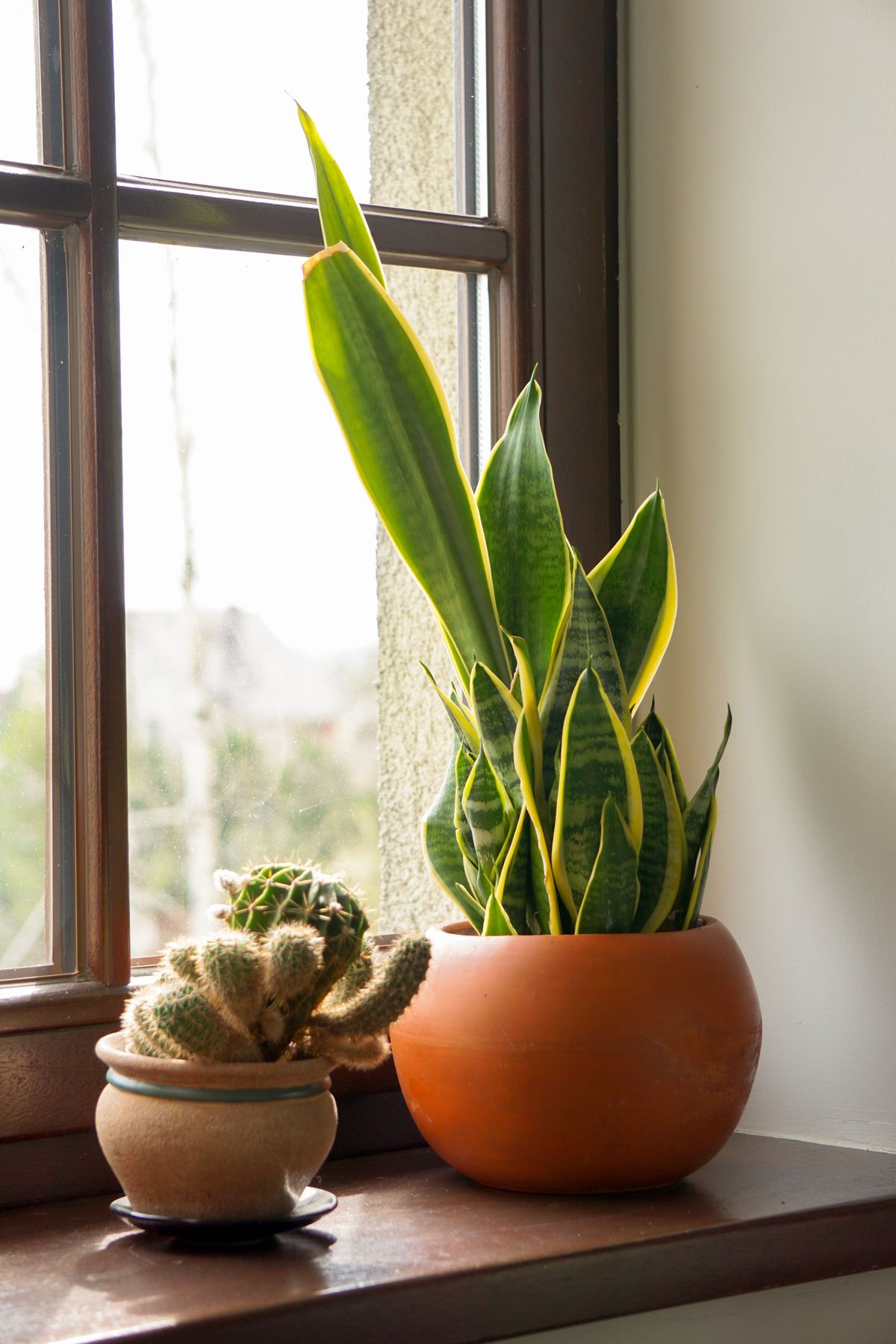
Check conditions, not a month on the calendar
“Winter” here means your local period of reduced light or cooler growing conditions. It is not tied to January or to one hemisphere. A warm, brightly lit plant may still be growing, while one near a cold window may dry much more slowly.
The RHS houseplant troubleshooting guide highlights excess water, unsuitable temperatures and low humidity as separate problems. Dry room air does not automatically mean wet soil needs more water.
A checklist when conditions change
- Light: note changes in daylight, window position and grow-light use. Keep the plant within its species’ light needs.
- Temperature: note heating and cold drafts. Avoid direct heater airflow and cold contact with window glass.
- Mix: check below the surface and compare drying across successive inspections. Do not apply a succulent’s drying rule to every plant.
- Growth: note new leaves or a pause in growth. Use this alongside moisture, not as the sole watering signal.
- Drainage: empty the saucer after watering; a small winter watering can still leave standing water.
Adjust reminders from observations
Keep checking even if actual waterings become less frequent. If the mix remains wetter between checks, postpone watering and reassess the reminder interval. Do not automatically halve water volume, stop all watering or assume every houseplant becomes dormant.
Example only: “Heating started; surface dry, deeper mix damp; no water added.” Compare later entries rather than treating one observation as a new permanent rule. In Bloomia, a care reminder can prompt inspection and care history can record completed actions; it does not measure the soil.
Start with when to water houseplants. If the mix never seems to dry, follow the wet-soil checks. See snake plant watering for a drought-tolerant example, and the care journal for recording changes.
When reviewing a changing window position, use the houseplant light guide to check exposure at leaf height.