How Often to Water a Snake Plant: Check Below the Dry Surface
Water a snake plant after its potting mix has dried, rather than on a fixed weekly schedule. Snake plant, also called mother-in-law’s tongue, is Dracaena trifasciata, formerly Sansevieria trifasciata. This guide covers rooted plants in ordinary pots, not cuttings in water.
NC State Extension recommends well-drained soil and drying between waterings, and warns that excess water can cause root rot. An interval from someone else’s home is not a measurement of your pot.
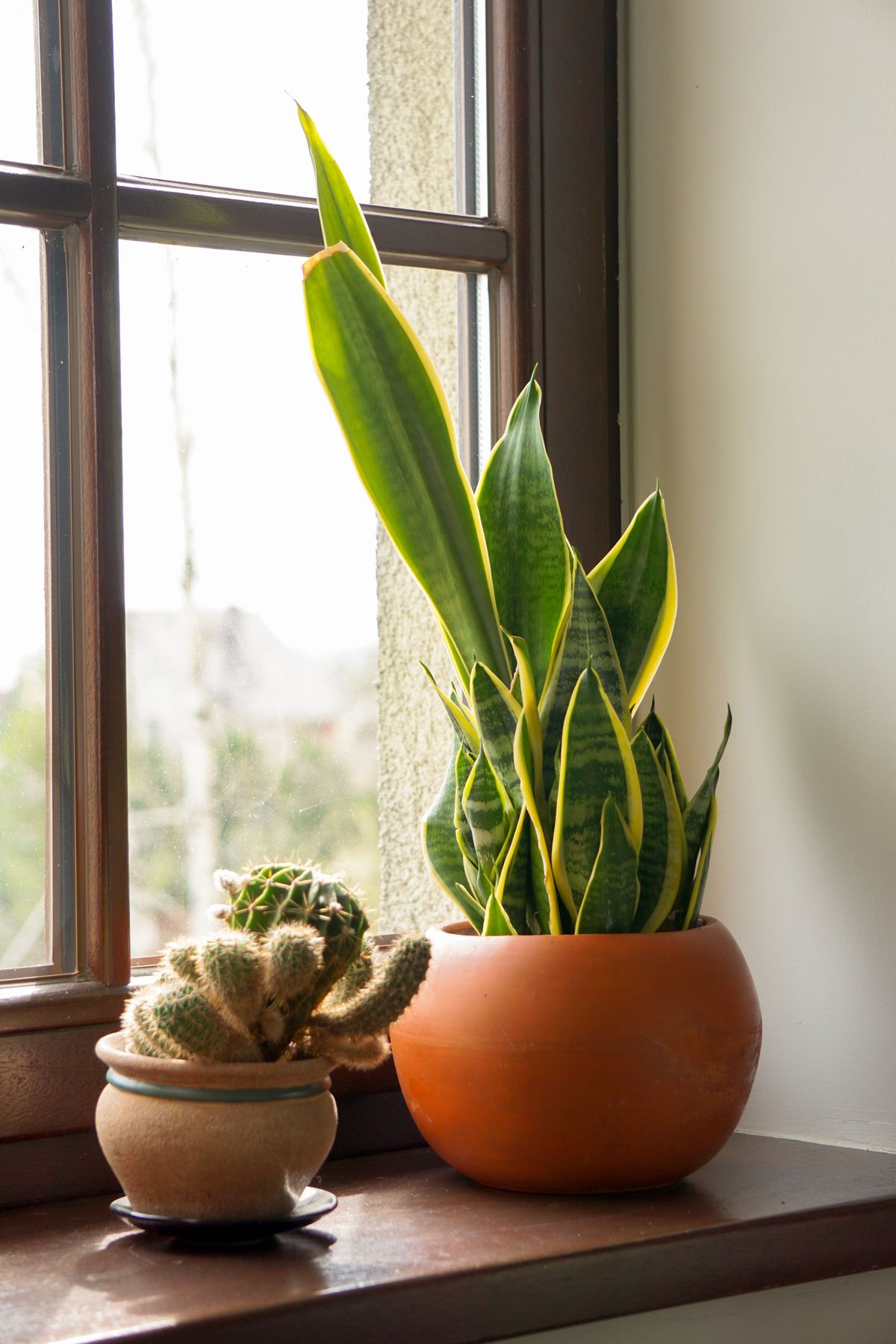
Check beneath the surface
- A dry top layer is not enough. Carefully check accessible deeper mix without forcing a finger or probe through roots. If you cannot assess a large pot, combine observations rather than repeatedly disturbing the rootball.
- If safe to lift, compare the pot’s weight with its own post-watering, drained weight. Pot size, material and mix affect what that comparison means.
- Inspect the outer pot and drainage holes. If deeper mix is still damp, wait; if it repeatedly stays wet, use the wet-soil checklist.
Water evenly, then drain
Once drying has been confirmed, apply water to the mix, let excess drain and empty the saucer. Frequent tiny splashes make it harder to know whether the rootball was wetted evenly. Do not leave the pot standing in runoff.
Lower light and cooler conditions can lengthen the drying period; a warmer, brighter location may differ. Use winter watering checks instead of automatically watering monthly.
Does a soft leaf mean it needs water?
Not necessarily. Check moisture and the leaf base before adding water. Wet mix with a soft base, a smell or continuing collapse calls for a careful root assessment, not an extra drink. One wrinkled or damaged leaf does not establish the cause.
Keep a care journal. Example only: “Surface dry, deeper mix damp, leaf base firm; no water added.” A Bloomia reminder can prompt this inspection; record watering only after it happens. For the general method and differences between plants, see when to water houseplants.