Houseplant Soil Stays Wet: What to Check Before Watering Again
Potting mix that stays wet does not need another watering just because a reminder arrives. Start with drainage and recent changes. This guide concerns ordinary pots with drainage holes; consistently moist mix is normal for some plants, so wetness alone does not prove root rot.
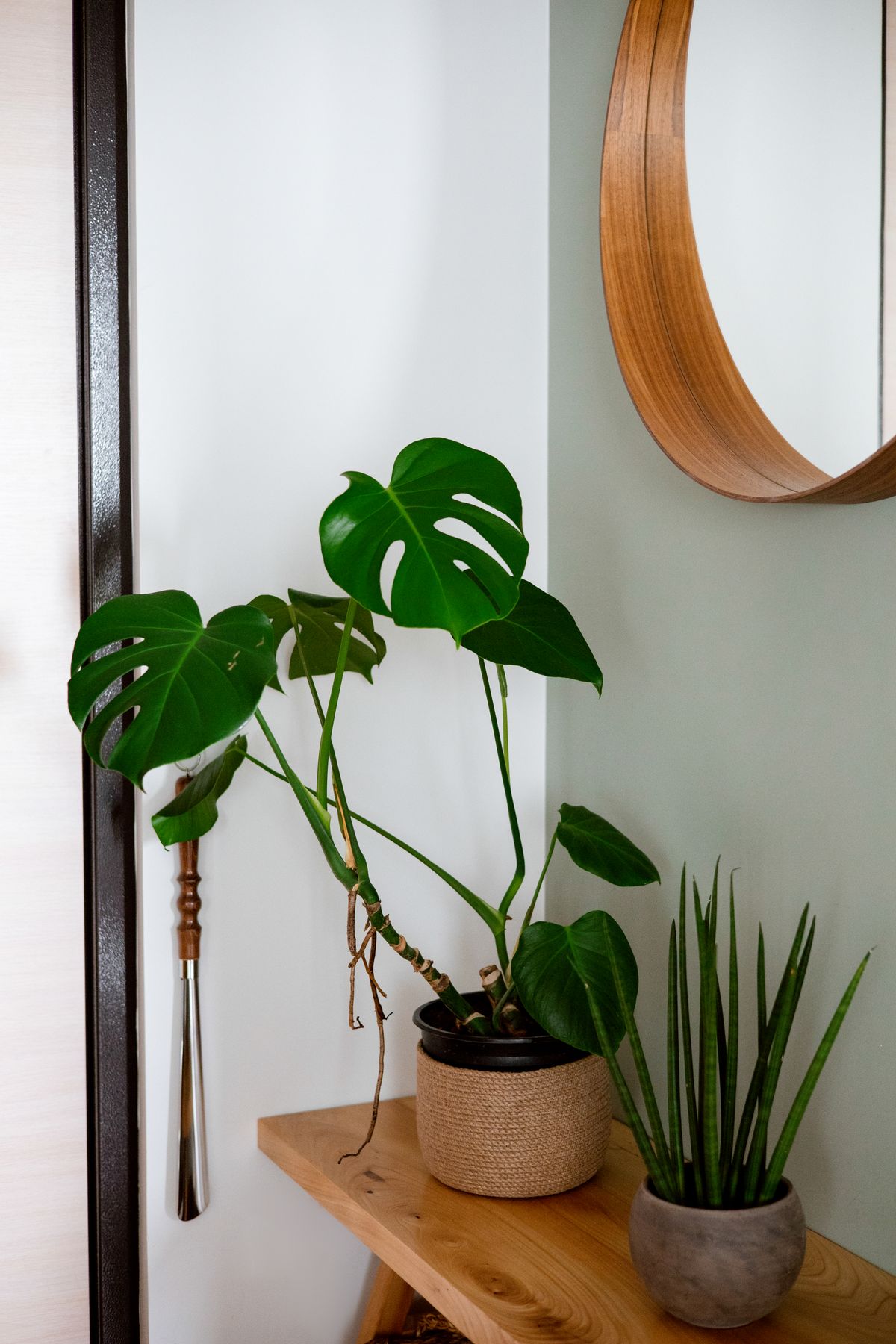
Check from the outside inward
- Remove the nursery pot from its decorative cover and empty collected water. Make sure the drainage holes are not blocked.
- Compare deeper moisture with the surface. Note whether the mix is damp or saturated and whether it is becoming drier between checks.
- Review recent repotting. A much larger pot leaves more wet mix around a small rootball. Dense or compacted mix can also be a poor match for the plant.
- Review light and temperature. A move to a darker or cooler room can change drying speed. Improve conditions within the species’ needs, rather than putting a stressed plant abruptly in strong sun or beside a heater.
The RHS guide to struggling houseplants explains how excess water and unsuitable compost can contribute to decline.
When should you inspect roots?
If the plant otherwise looks healthy and the mix is gradually drying, observe before repotting. If wetness is accompanied by continuing collapse, a soft stem base or a sour smell, inspect the rootball carefully. Dark, mushy roots are more concerning than color alone; not all healthy roots are white.
Where drainage or the rootball is genuinely failing, choose a pot with working drainage and a mix suited to the species. Seek horticultural advice if you cannot assess the damage. A wet surface alone is not a reason to cut roots or repeatedly repot.
Keep a short investigation log
Record pot size, mix, location, last actual watering and each moisture check. Example only: “Outer pot contained water; emptied it. Deeper mix wet; no water added.” Change one manageable factor at a time where possible so later observations remain useful.
Use the watering checklist before the next watering, and review winter adjustments if light has decreased. A plant care journal, on paper or in Bloomia, helps separate observations from actions.
Before changing containers, check whether repotting is needed. If leaves droop after the change, use the post-repotting checks to compare the old rootball with the new mix.
If small flies emerge near the mix, use the fungus gnat guide to find the breeding source and distinguish adult trapping from larval control.