How to Care for Swiss Cheese Plant at Home
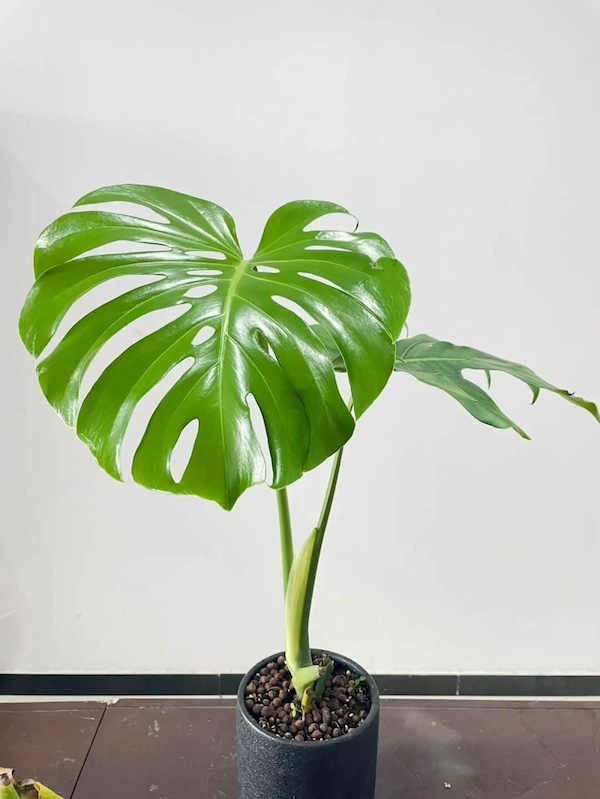
The Swiss Cheese Plant, also known as Monstera deliciosa, is a popular houseplant with its distinctive split leaves. Caring for it at home can be a rewarding experience if you follow these guidelines.
Growth Environment
Monstera deliciosa thrives in a warm, humid environment with indirect, bright light. It prefers temperatures between 65-85°F (18-29°C). Avoid direct sunlight as it can scorch the leaves. If your home is dry, consider using a humidifier or placing the plant on a pebble tray with water to increase humidity. The plant should be in a well-draining potting mix to prevent root rot. A position near a window with a sheer curtain is ideal for filtered light.
Watering
Watering your Swiss Cheese Plant correctly is crucial for its health. The soil should be kept evenly moist, but not soggy. Before watering, check the top inch of soil; if it's dry, it's time to water. Reduce watering in the winter when the plant's growth slows down. Overwatering can lead to root rot, so ensure good drainage. If your tap water is hard, use filtered or rainwater to avoid leaf spotting.
Fertilizing
Feed during healthy active growth, accounting for nutrients already in the mix and any slow-release product. Follow the actual houseplant label for dilution and interval; do not apply a fixed winter schedule or an automatic half-strength rule. Pause routine feeding when growth has stopped and investigate stress first. See when to fertilize houseplants.
Pruning
Pruning is essential for maintaining the shape and size of your Swiss Cheese Plant and encouraging new growth. Use clean, sharp scissors or pruning shears to remove any yellow or damaged leaves. You can also trim back any aerial roots if they become too long, but it's not necessary for the plant's health. Pruning is best done in the spring or summer.
Pest and Disease Control
Inspect leaf undersides, stems and joints for mites, mealybugs or scale, and identify a pest before choosing controls. Any treatment must be appropriate to the plant and permitted by its local label. Remove ordinary dust gently using the leaf-cleaning guide; dust alone does not identify or prove the cause of an infestation. Avoid waterlogging and inspect new plants separately.
Using an APP for Auxiliary Care
Bloomia provides care reminders, a history of completed care and photo records. Use a reminder to inspect your monstera, then record only the action actually taken. Photos help compare changes; the app does not measure soil moisture or establish a diagnosis.