How to Care for Devil's Ivy at Home
I: Characteristics and Varieties of Devil's Ivy
Ecological Habits of Devil's Ivy
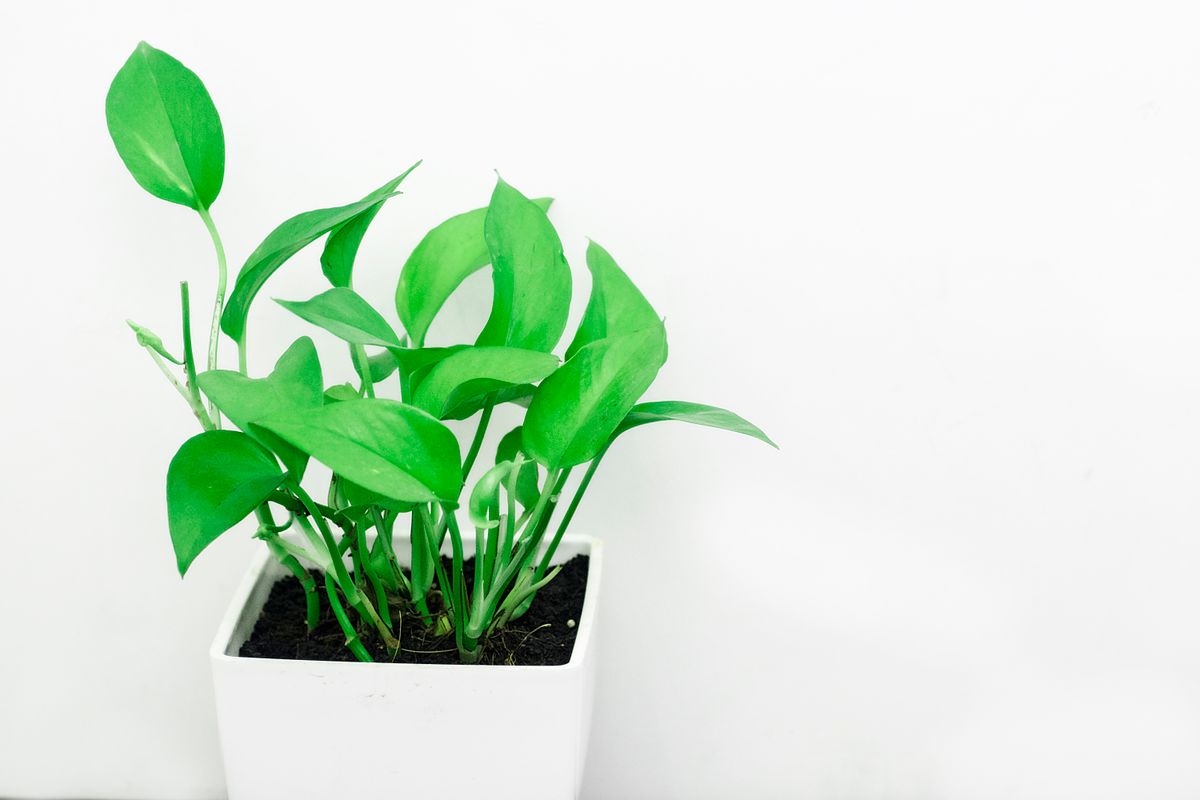
Devil's Ivy (Epipremnum aureum), also known as "money plant" or "golden pothos," is a common and popular indoor plant. Native to Oceania and Southeast Asia, it primarily grows in tropical rainforests. Devil's Ivy is a perennial evergreen plant, loved for its excellent adaptability and strong vitality.
Introduction to Common Varieties of Devil's Ivy
- Common Devil's Ivy (Epipremnum aureum): The most common variety with heart-shaped, smooth, and green leaves.
- Chocolate Devil's Ivy (*Epipremnum aureum 'N'Joy'): Leaves have white spots, forming unique patterns and enhancing the plant's aesthetics.
- Marble Queen Devil's Ivy (*Epipremnum aureum 'Marble Queen'): White stripes along the edges of the leaves contrast with the green base, resembling marble beauty.
II: Indoor Environment Selection
Light Requirements and Placement
Devil's Ivy prefers ample sunlight but can adapt to lower light conditions. The ideal growth environment is a place with diffused sunlight, such as a bright indoor windowsill. Avoid placing Devil's Ivy directly in intense sunlight to prevent leaf burning.
Suitable Temperature and Humidity
Temperature: Devil's Ivy thrives in warm environments, with an ideal growth temperature between 18-26 degrees Celsius. Humidity: Prefers higher humidity, which can be increased by misting, using water trays, or using a humidifier.
Avoided Environmental Factors
Cold Temperatures: Avoid exposure to cold environments below 10 degrees Celsius. Direct Strong Light: Prevent direct exposure to intense sunlight by using transparent curtains or placing Devil's Ivy in diffused light.
III: Soil and Potting
Appropriate Soil Composition
Devil's Ivy prefers well-draining soil rich in organic matter. You can choose general indoor plant soil or mix your own by combining leaf mold soil, perlite, and humus to ensure good drainage.
Pot Selection and Potting Techniques
Choose a pot with working drainage sized to the rootball. Do not add a gravel or clay-pebble layer as a drainage fix; use suitable airy mix. Maryland Extension advises against filling the pot bottom with gravel.
Repotting and Soil Nourishment Timing and Methods
Assess root crowding and the condition of the mix before repotting; do not automatically cut healthy roots or upsize on a yearly schedule. Use the repotting checklist to distinguish a larger pot from a substrate change.
IV: Watering and Humidity Management
Watering Frequency and Quantities
Watering Frequency: Adjust based on environmental temperature and humidity to avoid overly wet or dry soil. Quantities: Ensure that water penetrates the soil deeply during each watering to promote root growth.
Methods for Humidity Regulation
Misting: Use a spray bottle to mist water around the plant to increase local humidity. Water Trays: Place shallow trays filled with water around the plant to raise environmental humidity.
Avoided Watering Mistakes
Overwatering: Avoid continuous waterlogging to prevent root rot. Suddenly Stopping Watering: Avoid abruptly stopping watering to prevent excessive dehydration of the plant.
V: Nutrition and Fertilization
Nutritional Needs of Devil's Ivy
Importance of Nitrogen, Phosphorus, Potassium: Devil's Ivy requires moderate amounts of nitrogen, phosphorus, potassium, and other essential nutrients for normal growth and development. Trace Elements: Provide adequate trace elements such as iron, zinc, magnesium to maintain plant physiological balance.
Selection of Suitable Fertilizer Types
Balanced Fertilizer: Choose general indoor plant fertilizer with balanced nutrient composition and follow the instructions on the packaging for fertilization.
Organic Fertilizer: Organic fertilizers play a positive role in long-term maintenance and soil quality improvement.
Fertilizing Timing and Frequency
Feed during healthy active growth, accounting for nutrients already in the mix and any slow-release product. Follow the actual houseplant label for dilution and interval; do not apply a fixed winter schedule or an automatic half-strength rule. Pause routine feeding when growth has stopped and investigate stress first. See when to fertilize houseplants.
VI: Common Pest and Disease Prevention and Control
Common Diseases and Symptoms
Leaf Spot Disease: Mainly manifested as brown spots on the leaves; promptly trim affected leaves to slow down disease spread. Mold Disease: Control by increasing ventilation, reducing leaf humidity, and using anti-mold agents.
Common Pests of Devil's Ivy
Aphids: Control aphid reproduction by spraying diluted soap water or neutral detergent solution. Spider Mites: Use targeted insecticides or increase humidity to slow down spider mite breeding.
Prevention and Treatment Methods
Regular Inspection: Periodically check plants to promptly detect and address potential diseases and pests. Isolate New Plants: When introducing new plants, isolate them for a period to observe whether they carry diseases or pests.
VII: Regular Pruning and Propagation
Importance of Regular Pruning
Shape Maintenance: Regular pruning helps maintain the proper shape of Devil's Ivy and promotes even plant growth. Removal of Diseased Leaves: Regularly inspect and trim diseased leaves to prevent disease spread.
Methods of Devil's Ivy Propagation
Use a healthy stem cutting with at least one node. A leaf and petiole without a nodal stem section cannot form a new vine. Clemson Extension confirms the need for a node. Follow the pothos propagation guide for water, mix and potting steps.
Propagation Experience and Techniques
Choose suitable warmth and light, preferably while the plant is actively growing. Rooting time depends on conditions; a month name or a promised number of days is not a guarantee. Keep the rooting medium appropriate to the chosen method and watch for decay.
VIII: Precautions and FAQs
Regular Inspection and Attention to Plant Status
Leaf Changes: Pay attention to changes in leaf color, shape, and texture to adjust care methods promptly. Overall Growth Condition: Monitor the overall growth status of the plant to ensure there are no abnormalities.
Solutions to Common Problems
Browning of Leaf Tips: Adjust fertilizer and watering amounts to prevent over-fertilization or insufficient water. Yellowing of Leaves: Soil may lack certain nutrients; consider adjusting the fertilizer formula.
IX: Environmental Protection and Decoration Suggestions
Environmental Benefits of Devil's Ivy
Air Purification: Devil's Ivy is an excellent air-purifying plant, absorbing harmful indoor gases and improving air quality. Humidity Increase: Devil's Ivy releases moisture, contributing to increased indoor humidity, beneficial for dry environments.
Decoration Suggestions
Hanging Decor: Hang Devil's Ivy in baskets or on wall-mounted flower racks to beautify space and save floor space. Combination Arrangements: Combine different varieties of Devil's Ivy for a colorful plant composition, enhancing indoor decorative effects.
X: Conclusion
Summary of Key Care Points
Light and Environment: Providing adequate light and environmental conditions is crucial for the healthy growth of Devil's Ivy.
Soil and Fertilization: Appropriate soil and scientific fertilization help maintain plant nutritional balance.
Recommended use of "Bloomia" APP