Rubber Plant Dropping Leaves: Check Changes, Soil and Leaf Condition
When a rubber plant drops leaves, do not assume it needs more water. Record when leaf loss began, how the mix feels and what changed recently. A few older leaves and continuing widespread loss deserve different levels of investigation.
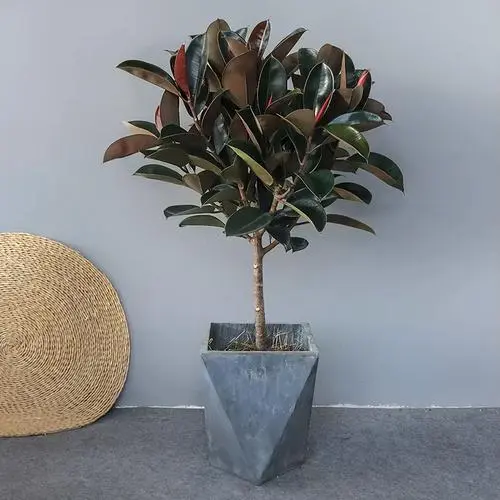
Build a timeline
List purchase, moving, repotting, feeding and watering dates in order. Leaf loss following an event suggests something to investigate; timing alone does not prove the cause.
Photograph the whole plant and fallen leaves. Note whether they came from the lower part or several areas. Use a consistent angle in later photographs.
Check three things
Location and temperature changes
Rubber plants need suitable light and protection from cold drafts, and environmental changes can contribute to leaf loss. See Clemson Extension’s rubber plant guidance. Check nearby opening windows, air vents and a recent move into a darker corner.
Soil and drainage
Feel below the surface and check the saucer and outer pot. Persistently wet soil can accompany yellowing; leaf loss is not a reason to water an already damp pot.
Write “wet,” “slightly damp” or “dry,” along with the last actual watering date, rather than “watered normally.” Continuing wilt in wet mix warrants closer investigation of roots. Repeated daily unpotting is not a useful monitoring method.
Leaf undersides and stems
Look for insects, webbing, sticky residue or unusual spots. Photograph suspicious evidence clearly and identify the issue before choosing a treatment. Leaf drop by itself does not justify pesticide use.
Follow the response to your adjustment
Choose a change supported by your observations, such as moving away from a draft or removing standing water. Date that change and watch for additional leaf loss and the condition of remaining leaves and stems.
Fallen leaves cannot reattach. Judge progress from subsequent observations rather than expecting the old canopy to return immediately. Seek local horticultural advice if decline continues or stems visibly decay, bringing your timeline and photographs.
A plant care journal helps preserve moves and care events; Bloomia’s care history and photos can keep those clues together. Read the rubber plant growing guide for routine care.